Understanding How Temperature Sensitivity Reveals Hidden Dental Health Patterns

Understanding How Temperature Sensitivity Reveals Hidden Dental Health Patterns

The Silent Signals Your Teeth Are Sending

Temperature sensitivity in teeth often serves as nature’s early warning system, alerting individuals to underlying dental issues long before they become visually apparent or cause severe discomfort. When a sip of hot tea or a spoonful of ice cream triggers a sharp, fleeting pain, the sensation represents far more than mere inconvenience. These moments of discomfort provide valuable diagnostic clues that dental professionals use to identify patterns of decay, enamel erosion, and gum recession that might otherwise go unnoticed during routine examinations.

The relationship between temperature sensitivity and dental health follows predictable patterns that reveal the condition of tooth structure beneath the surface. Healthy enamel acts as an insulating barrier, protecting the sensitive dentine layer and the nerve-rich pulp chamber within. When this protective shield becomes compromised through wear, acid erosion, or decay, the microscopic tubules within the dentine become exposed, creating direct pathways for temperature stimuli to reach the nerve endings. Understanding the various causes of tooth sensitivity helps patients recognise when seemingly minor discomfort warrants a visit to the dentist Soho.

Decoding Temperature Sensitivity Patterns

Hot Versus Cold Sensitivity

The type of temperature that triggers sensitivity provides distinct diagnostic information. Cold sensitivity typically indicates exposed dentine, often resulting from receding gums or enamel wear. This response occurs when cold stimuli contract the fluid within the dentinal tubules, creating pressure changes that stimulate nerve fibres. Conversely, sensitivity to heat frequently suggests more advanced dental problems, including deep decay approaching the pulp or inflammation within the tooth’s nerve chamber. Heat sensitivity that lingers after the stimulus has been removed particularly warrants immediate evaluation by a dentist Soho professionals can provide.

Duration and Intensity Indicators

The duration of sensitivity episodes offers further diagnostic insight. Brief, sharp pain that subsides within seconds typically indicates reversible conditions such as minor enamel erosion or early-stage gum recession. Extended discomfort lasting minutes or hours suggests more serious underlying issues, potentially including pulpitis or abscess formation. For comprehensive information about the types and symptoms of sensitive teeth, patients can explore detailed clinical resources that explain these diagnostic distinctions.

Hidden Patterns That Temperature Sensitivity Reveals

Enamel Erosion and Dietary Habits

Temperature sensitivity often exposes patterns of enamel erosion linked to dietary choices and lifestyle habits. Individuals who experience sensitivity primarily on specific teeth may unknowingly favour acidic beverages or foods that gradually dissolve enamel on those surfaces. Similarly, sensitivity concentrated along the gum line frequently indicates aggressive brushing techniques that wear away enamel and cause gum recession. These patterns allow dental professionals to provide targeted advice about protective measures and behavioural modifications that can halt further damage.

Grinding and Clenching Indicators

Nocturnal bruxism, or teeth grinding during sleep, manifests through distinctive sensitivity patterns that patients rarely connect to their unconscious habit. Widespread sensitivity across multiple teeth, particularly the molars and canines, often signals enamel wear from grinding. The flattened tooth surfaces and micro-fractures created by sustained pressure expose dentine layers, resulting in temperature sensitivity that seems to appear without obvious cause. Recognising these patterns enables early intervention through protective night guards and stress management strategies.

Professional Assessment and Preventive Strategies

Whilst over-the-counter desensitising toothpastes provide temporary relief, persistent temperature sensitivity requires professional evaluation to address underlying causes rather than merely masking symptoms. Dental examinations can identify hairline cracks, failing restorations, or early decay that home observation cannot detect. Advanced diagnostic tools, including thermal testing and digital radiography, help practitioners map sensitivity patterns and develop comprehensive treatment plans. Those seeking expert guidance should consider consulting a dentist Soho residents trust for thorough assessments and personalised care strategies.

Preventive measures based on sensitivity patterns prove remarkably effective when implemented early. These include fluoride treatments to strengthen enamel, dietary modifications to reduce acid exposure, and proper brushing techniques that protect rather than damage tooth surfaces. For detailed guidance on treatment options and when professional intervention becomes necessary, patients can access resources that outline both conservative and advanced therapeutic approaches.

Taking Action on Temperature Sensitivity

Temperature sensitivity serves as an invaluable diagnostic tool when properly understood and promptly addressed. Rather than dismissing these sensations as normal inconveniences, individuals should view them as opportunities for early intervention that can prevent more serious dental complications. By recognising the patterns that temperature sensitivity reveals and seeking appropriate professional care, patients can maintain optimal oral health and preserve their natural teeth for decades to come.
Why Dental Trauma Triggers Unexpected Immune Responses That Complicate Emergency Treatment

Why Dental Trauma Triggers Unexpected Immune Responses That Complicate Emergency Treatment

Understanding the Body’s Reaction to Dental Injuries

When dental trauma occurs, the body’s immune system springs into action with remarkable speed, yet this natural protective response can paradoxically create additional complications for an emergency dentist Wakefield attempting to provide urgent care. The intricate relationship between oral injuries and immune activation represents a fascinating intersection of immunology and emergency dentistry, one that continues to challenge practitioners and researchers alike.

Dental trauma encompasses a broad spectrum of injuries, from minor chips and cracks to complete tooth avulsions and severe soft tissue damage. Regardless of severity, these injuries trigger an immediate cascade of biological responses designed to protect against infection and promote healing. However, the oral cavity’s unique environment—teeming with bacteria and constantly exposed to foreign substances—means that immune responses here differ markedly from those elsewhere in the body.

The Immediate Inflammatory Response

Within moments of dental injury, the body initiates an inflammatory response characterised by increased blood flow, swelling, and the recruitment of immune cells to the affected area. This process, whilst essential for healing, can significantly complicate emergency treatment procedures. The swelling can obscure the extent of damage, making accurate assessment difficult for even experienced practitioners seeking to provide immediate care.

The pulp tissue within teeth contains a dense network of blood vessels and nerve fibres, making it particularly susceptible to inflammatory changes. When trauma disrupts this delicate tissue, the confined space within the tooth creates a unique challenge. Unlike other parts of the body where swelling can expand outwards, pulpal inflammation occurs within rigid dentinal walls, leading to increased pressure and intense pain that can interfere with treatment efforts.

Immune Cell Migration and Treatment Complications

The Role of Neutrophils and Macrophages

Following dental trauma, neutrophils arrive first at the injury site, typically within hours. These white blood cells engulf bacteria and debris but also release enzymes that can damage surrounding healthy tissue. Subsequently, macrophages arrive to continue the cleanup process and coordinate further immune responses. This cellular influx, whilst protective, can create a hostile environment for procedures such as repositioning avulsed teeth or performing emergency root canal therapy.

Cytokine Release and Systemic Effects

The injured dental tissues release various cytokines—chemical messengers that coordinate immune responses. Whilst these molecules are crucial for healing, they can also amplify pain signals and promote further inflammation. In some patients, particularly those with pre-existing inflammatory conditions, this cytokine storm can extend beyond the local area, causing systemic symptoms such as fever and malaise that complicate the clinical picture for practitioners assessing the injury.

Bacterial Involvement and Immune Complexity

The oral microbiome contains hundreds of bacterial species, most of which coexist peacefully under normal circumstances. However, dental trauma disrupts the protective barriers that keep these microorganisms in check. The immune system must then distinguish between commensal bacteria and genuine pathogens—a challenging task that can result in excessive responses. Understanding how natural defences can inadvertently worsen outcomes has become increasingly important in emergency dental protocols.

When seeking care from an emergency dentist, patients should be aware that practitioners must work rapidly to clean and stabilise injuries before immune responses escalate beyond manageable levels. The window for optimal intervention is often measured in hours rather than days.

Adaptive Immune Responses and Long-Term Considerations

Beyond the immediate inflammatory phase, dental trauma can trigger adaptive immune responses that develop over days to weeks. These include the production of specific antibodies and the activation of T-cells that target damaged tissue. Research has shown that immunological memory following dental injuries can influence healing outcomes and affect the success of subsequent restorative procedures.

In some cases, the immune system may mistakenly identify dental proteins exposed by trauma as foreign antigens, leading to autoimmune-like reactions that perpetuate inflammation long after the initial injury has been addressed. This phenomenon explains why some patients experience prolonged discomfort despite apparently successful emergency treatment.

Managing Immune Complications in Emergency Settings

Modern emergency dental care increasingly incorporates immunological considerations into treatment protocols. Practitioners may employ anti-inflammatory medications, antibiotics when appropriate, and specific techniques designed to minimise immune activation whilst addressing structural damage. The goal remains to harness the body’s healing capabilities whilst preventing counterproductive immune responses that could compromise treatment outcomes and patient comfort during the critical recovery period.

GLOW And KLOW Showing Differences Through Their Peptide Contents

GLOW And KLOW Showing Differences Through Their Peptide Contents

Comparing two peptide blends starts with understanding what each formula contains and how those ingredients differ. Peptides can be selected for different research interests, so their names alone do not tell the whole picture. Looking at the stated contents helps separate shared ingredients from distinct ones. A simple comparison makes the information easier to follow with glow vs klow peptide blends explained.

Formula Contents Show Clear Differences

GLOW and KLOW may contain different combinations designed around separate research interests. Their ingredient lists provide the clearest starting point for comparison. One blend may include components that are not listed in another formula. Checking every stated ingredient can reveal where their compositions differ.

Different Ingredients Support Distinct Research

The contents of each blend can guide attention toward specific biological areas. Peptides may vary in number, type, or intended research focus. These differences matter when comparing what each formula is designed to investigate. A careful review avoids judging both blends only by their names.

Ingredient Lists Make Comparison Easier

Reading the ingredient list can make differences easier to recognize. Look for the number of listed components and their stated roles. Consider these simple points when reviewing the contents:

  • Shared components can show where both formulas overlap.
  • Unique ingredients may indicate separate research interests.
  • Ingredient order can provide useful information during comparison.
  • Stated amounts may differ between individual blend formulas.
  • Research descriptions can clarify why certain components are included.

glow vs klow peptide blends explained

Research Focus Depends On Composition

Composition can shape how a blend is discussed within research settings. Some ingredients may relate to skin structure while others receive attention for cellular processes. Peptides should therefore be considered according to their listed composition rather than broad claims, with glow vs klow peptide blends explained offering a focused way to understand differences in their composition and research relevance.

Careful Review Helps Better Understanding

A balanced comparison begins with verified ingredient information rather than promotional wording. Peptides should be examined through reliable descriptions that explain their intended research context. GLOW and KLOW can then be viewed according to their separate contents and stated purposes. This approach keeps the comparison clear while avoiding unsupported assumptions.

The clearest comparison comes from examining ingredients with care. GLOW and KLOW should be considered through their listed compositions rather than broad impressions. Reviewing shared components, unique elements, stated amounts, and research descriptions creates a more balanced view. This method helps identify meaningful differences while keeping claims measured, clear, and easier to understand for general readers.

FAQ

How can their peptide contents be compared accurately?

Check each ingredient list carefully and compare shared components.

Why can different ingredients matter during peptide research?

Distinct components may relate to separate biological research interests.

What should readers check before comparing two blends?

Review ingredient names, amounts, and stated research purposes carefully.

How Invisalign Aligners Influence Speech Patterns and Professional Communication During Treatment

How Invisalign Aligners Influence Speech Patterns and Professional Communication During Treatment

Understanding the Initial Adjustment Period

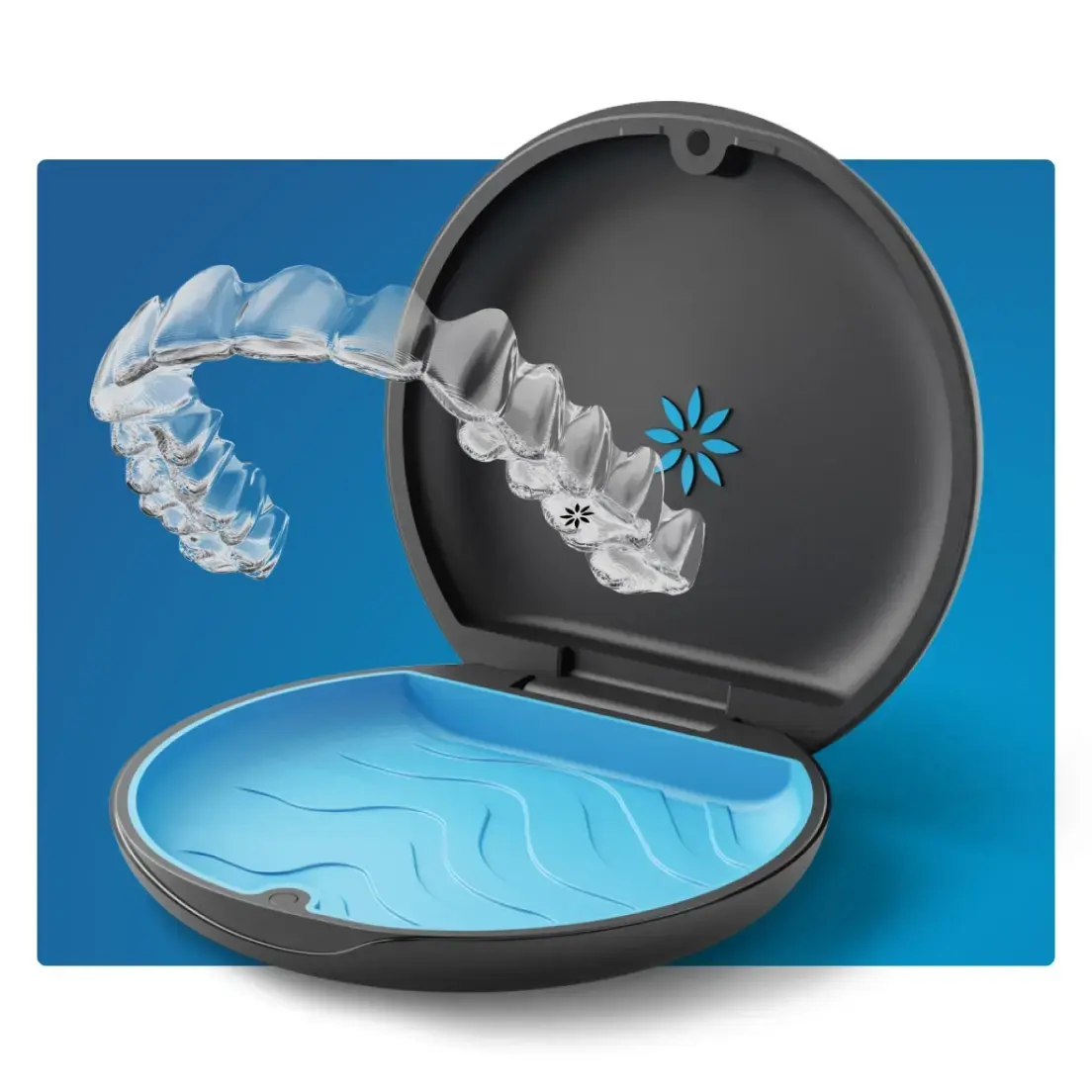
When individuals embark upon their journey with clear aligner therapy, one of the most immediate concerns centres around how these transparent orthodontic devices might affect their ability to communicate effectively. The reality is that whilst Invisalign Leeds treatment offers a discreet alternative to traditional metal braces, patients do experience a temporary adjustment phase that can influence their speech patterns. This phenomenon occurs because the aligners create a subtle change in the oral cavity, affecting the precise positioning of the tongue during speech production.

The human mouth is remarkably adaptable, and most wearers discover that any initial speech alterations resolve within a matter of days. During the first week of treatment, patients may notice a slight lisp or altered pronunciation of certain consonants, particularly sibilant sounds such as ‘s’ and ‘z’. This occurs because the aligners add a thin layer of material between the teeth, which temporarily disrupts the established motor patterns that the tongue has developed over years of speaking. Research has shown that clear aligners have minimal impact on speech compared to other orthodontic appliances, making them an excellent choice for professionals who rely heavily on verbal communication.

The Science Behind Speech Adaptation

The process of speech production involves intricate coordination between the respiratory system, vocal cords, tongue, teeth, and lips. When aligners are introduced into this finely tuned system, the brain must recalibrate its instructions to accommodate the new oral environment. Linguists and speech pathologists have long understood that the teeth play a crucial role in articulation, serving as anchor points for the tongue during the formation of specific phonemes. The addition of aligners, though minimal in thickness, requires a brief period of neurological adjustment.

Phonetic Challenges During Early Treatment

Certain sounds present more challenges than others during the adaptation period. Alveolar consonants, which are produced by placing the tongue against the ridge behind the upper teeth, may initially feel different. Similarly, interdental sounds that require precise tongue placement between the teeth can temporarily feel awkward. However, studies indicate that the brain’s plasticity allows for rapid compensation, with most individuals achieving normal speech patterns within three to seven days of continuous wear.

Professional Communication Strategies During Treatment

For individuals in client-facing roles or positions requiring frequent public speaking, the prospect of altered speech during treatment can understandably cause apprehension. Fortunately, there are several practical strategies that can accelerate the adaptation process and maintain professional communication standards. Reading aloud for fifteen to twenty minutes daily helps retrain the tongue and facial muscles to work efficiently with the aligners in place. Many professionals find that practising presentations or important telephone conversations whilst wearing their aligners builds confidence and reduces any self-consciousness about their speech.

The removable nature of clear aligners provides a distinct advantage over fixed orthodontic appliances. Whilst practitioners recommend wearing aligners for twenty-two hours daily, patients have the flexibility to remove them during critical professional engagements if absolutely necessary. However, most wearers discover this precaution becomes unnecessary after the initial adjustment period. Studies on patient-reported outcomes with clear aligners consistently demonstrate high satisfaction rates regarding speech adaptation and overall treatment experience.

Long-Term Benefits for Articulation

Interestingly, the ultimate outcome of orthodontic treatment often results in improved speech clarity. When teeth are properly aligned, the tongue has optimal surfaces against which to articulate sounds. Individuals who previously had crowded or misaligned teeth may discover that their speech becomes clearer and more precise following treatment completion. This enhancement can prove particularly beneficial for professionals in fields such as broadcasting, teaching, law, or sales, where clear articulation directly impacts career success.

Embracing the Journey with Confidence

The temporary influence of Invisalign treatment on speech patterns represents a minor and short-lived adjustment in exchange for the considerable benefits of straighter teeth and improved oral health. Research from speech-language pathology experts examining orthodontic appliances confirms that clear aligners cause minimal disruption to normal communication patterns. Patients who approach the adaptation period with patience and consistent wear typically find that any speech changes resolve swiftly, allowing them to continue their professional lives without significant interruption. The journey towards a confident, aligned smile need not compromise one’s ability to communicate effectively in professional settings, making clear aligner therapy an increasingly popular choice for working adults seeking orthodontic improvement.

How Orthodontic Treatment Influences Your Body’s Natural Hormone Balance

How Orthodontic Treatment Influences Your Body's Natural Hormone Balance

Understanding the Connection Between Orthodontics and Hormonal Health

The relationship between orthodontic treatment and hormonal balance represents a fascinating intersection of dental science and endocrinology, which, while obvious to an orthodontist London, often goes unnoticed by patients embarking on their smile transformation journey. Whilst most individuals associate braces or aligners purely with cosmetic improvements, the biological processes triggered by tooth movement extend far beyond aesthetic concerns. The body’s endocrine system responds to orthodontic interventions in ways that can influence overall health, making it essential to understand this intricate connection.

When teeth are repositioned through orthodontic appliances, the body initiates a complex cascade of cellular and chemical responses. These responses involve inflammatory mediators, bone remodelling processes, and hormonal fluctuations that work in concert to facilitate tooth movement. The pressure applied to teeth stimulates specialised cells within the periodontal ligament, triggering the release of various signalling molecules that communicate with the endocrine system. This biological dialogue ensures that bone is broken down on one side of the tooth whilst being rebuilt on the other, allowing for controlled movement.

The Stress Response and Cortisol Production

One of the most immediate hormonal responses to orthodontic treatment involves the body’s stress hormone, cortisol. When brackets are first fitted, or aligners are changed, patients often experience discomfort as teeth begin their gradual shift. This physical stress prompts the adrenal glands to release cortisol, which serves as the body’s natural pain management system. Whilst elevated cortisol levels are typically temporary, understanding this response helps patients appreciate why they might feel slightly off-balance during the initial adjustment period.

Research has shown that endocrinological conditions can significantly impact orthodontic treatment outcomes, highlighting the bidirectional nature of this relationship. The mechanical forces applied during treatment can influence hormone levels, whilst pre-existing hormonal imbalances may affect how quickly and effectively teeth respond to orthodontic intervention. This complex interplay underscores the importance of comprehensive health assessments before beginning treatment with an orthodontist London patients trust for their care.

Oestrogen and Progesterone: The Female Factor

Female patients undergoing orthodontic treatment may notice that their hormonal cycles interact with their dental care in unexpected ways. Oestrogen and progesterone levels fluctuate throughout the menstrual cycle, pregnancy, and menopause, each phase potentially affecting how gingival tissues respond to orthodontic appliances. During periods of elevated oestrogen, the gums become more vascularised and sensitive, which can amplify discomfort from braces or aligners. Understanding how hormonal changes affect oral health enables patients to anticipate these variations and communicate effectively with their orthodontic team.

The presence of orthodontic appliances during significant hormonal shifts requires careful monitoring. Pregnant women, for instance, experience dramatic increases in progesterone, which can lead to increased gum inflammation around brackets and wires. Similarly, adolescents undergoing puberty face rapid hormonal changes that coincide with peak orthodontic treatment years. These hormonal surges can accelerate or occasionally complicate tooth movement, making personalised treatment planning essential for optimal results.

Growth Hormone and Bone Remodelling

Growth hormone plays a pivotal role in the success of orthodontic treatment, particularly in younger patients whose skeletal development remains active. This hormone facilitates the bone remodelling process necessary for teeth to move into their new positions. The mechanical stimulation from orthodontic appliances works synergistically with naturally occurring growth hormone to reshape the jawbone and supporting structures. Studies examining orthodontic treatment during periods of hormonal change have revealed that timing interventions to coincide with natural growth spurts can significantly enhance treatment efficiency and reduce overall duration.

Long-Term Benefits Beyond Alignment

The hormonal adaptations prompted by orthodontic treatment ultimately contribute to improved overall health outcomes. Properly aligned teeth reduce the physical stress on jaw joints and muscles, potentially lowering chronic cortisol production associated with tension and pain. Better oral hygiene, made possible by straighter teeth, reduces inflammatory responses throughout the body, which can positively influence insulin sensitivity and other metabolic hormones. These systemic benefits demonstrate that investing in orthodontic care represents a commitment to holistic wellbeing rather than merely cosmetic enhancement, offering patients rewards that extend throughout their lives.

How Ancient Dental Practices Continue to Influence Modern Treatment Methods

How Ancient Dental Practices Continue to Influence Modern Treatment Methods

The Enduring Legacy of Historical Dentistry

The field of dentistry possesses a remarkably rich history that stretches back thousands of years, with many ancient techniques and philosophies continuing to shape contemporary dental care. Whilst modern practitioners benefit from advanced technology and scientific understanding, the fundamental principles established by early civilisations remain surprisingly relevant. From the Egyptians’ pioneering use of natural remedies to the sophisticated surgical techniques developed in ancient India, these historical innovations laid the groundwork for treatments that patients receive today, whether visiting a dentist Meath or seeking care elsewhere in the modern world.

The journey from primitive tooth extractions to today’s precision dentistry reveals a fascinating evolution of medical knowledge. Ancient practitioners, working without the benefit of anaesthesia or sterilisation protocols, developed remarkable ingenuity in addressing dental ailments. Their observations about oral health, pain management, and restorative techniques demonstrate an understanding that transcends the limitations of their era. This historical foundation continues to inform current practice, reminding contemporary dental professionals that innovation often builds upon timeless wisdom.

Ancient Civilisations and Their Dental Innovations

Egyptian Contributions to Dental Medicine

The ancient Egyptians were amongst the earliest civilisations to approach dentistry with a systematic methodology. Archaeological evidence reveals that they created tooth powders from crushed rock salt, mint, dried iris flowers, and pepper—a primitive yet effective approach to oral hygiene that foreshadowed modern toothpaste formulations. Their understanding of dental abscesses and infections was remarkably advanced, with papyrus scrolls detailing treatments using natural antiseptics such as honey and tree resins, substances now recognised for their genuine antimicrobial properties.

Chinese and Indian Dental Practices

In ancient China, practitioners developed acupuncture techniques specifically targeting dental pain, a method that has experienced renewed interest in contemporary pain management strategies. Meanwhile, Indian Ayurvedic texts from around 5000 BCE described sophisticated surgical procedures for treating dental conditions. These early practitioners utilised over 120 different instruments for dental surgery, demonstrating a level of specialisation that would not be matched in Western medicine for centuries. The comprehensive evolution of dental practices from ancient times illustrates how these innovations spread across cultures and continents.

Greek and Roman Advancements

The Greeks and Romans made substantial contributions to dental knowledge, with Hippocrates and Aristotle both writing extensively about tooth decay and gum disease. Roman physicians developed early forms of dental prosthetics, creating bridges and crowns from gold wire and carved ivory. Their emphasis on oral hygiene included rudimentary toothbrushes made from twigs and elaborate tooth-cleaning powders. The comprehensive development of dentistry throughout history demonstrates how these classical innovations influenced subsequent medical traditions across Europe and beyond.

Modern Applications of Ancient Wisdom

Natural Remedies in Contemporary Dentistry

Contemporary dental practices have witnessed a resurgence of interest in natural treatments that ancient civilisations pioneered. Clove oil, used for centuries in traditional Chinese and Indian medicine, remains a recommended remedy for toothache due to its natural anaesthetic properties. Similarly, the ancient practice of oil pulling, documented in Ayurvedic texts, has gained popularity amongst modern patients seeking complementary oral health strategies. These time-tested approaches complement advanced treatments offered by dental professionals today.

Surgical Techniques and Tool Design

Many contemporary dental instruments bear striking resemblance to their ancient counterparts. The fundamental design of forceps, scalers, and probes has remained remarkably consistent, albeit with improved materials and precision engineering. Ancient Egyptian and Renaissance dental innovations established principles of leverage and grip that modern manufacturers continue to refine. This continuity demonstrates that effective tool design transcends technological advancement, relying instead upon an understanding of human anatomy and practical functionality.

Holistic Approaches to Oral Health

Ancient practitioners recognised the connection between oral health and overall wellbeing long before modern science confirmed these relationships. Today’s emphasis on preventative care and the mouth-body connection echoes the holistic philosophies of early dental practitioners. Contemporary dental practices increasingly incorporate this comprehensive approach, acknowledging that dental health cannot be separated from general physical and mental wellness.

Bridging Past and Present

The enduring influence of ancient dental practices upon modern treatment methods serves as a testament to human ingenuity and the timeless nature of effective healthcare principles. Whilst technology has revolutionised diagnostic capabilities and treatment precision, the fundamental understanding of dental disease, pain management, and restorative techniques remains rooted in observations made millennia ago. This rich heritage continues to inspire innovation whilst grounding contemporary practice in proven methodologies, ensuring that patients receive care informed by both cutting-edge research and centuries of accumulated wisdom.

Veneers: Elevating Your Smile with Cutting-Edge Customisation

Veneers: Elevating Your Smile with Cutting-Edge Customisation

The Art of Modern Smile Enhancement

The pursuit of a radiant smile has evolved dramatically over recent decades, with dental veneers Liverpool and elsewhere emerging as one of the most sophisticated solutions for smile transformation. These ultra-thin shells of porcelain or composite resin represent the pinnacle of cosmetic dentistry, offering patients an opportunity to achieve Hollywood-worthy smiles through precision craftsmanship and cutting-edge technology.

Modern veneers have transcended their early limitations, now providing natural-looking results that seamlessly blend with existing teeth. The technology behind veneer creation has become increasingly refined, allowing dental professionals to create bespoke solutions that complement individual facial features, skin tone, and personal preferences. This level of customisation ensures that each patient receives a unique smile enhancement tailored specifically to their aesthetic goals.

Understanding the Science Behind Veneer Technology

The development of contemporary veneer technology relies on advanced materials science and digital dentistry innovations. Porcelain veneers, crafted from high-grade ceramic materials, offer exceptional durability whilst maintaining the translucent qualities that mirror natural tooth enamel. These materials undergo rigorous testing to ensure they can withstand the daily pressures of chewing, speaking, and general oral function.

Digital impression technology has revolutionised the veneer creation process, eliminating the discomfort associated with traditional moulds whilst improving accuracy. Computer-aided design software enables dental technicians to visualise the final result before fabrication begins, allowing for precise adjustments that ensure optimal fit and appearance. This technological integration has significantly reduced treatment times whilst enhancing the predictability of outcomes.

The Customisation Process Explained

Initial Assessment and Planning

The journey towards achieving an enhanced smile through veneers begins with a comprehensive assessment of oral health and aesthetic objectives. Dental professionals evaluate tooth structure, gum health, bite alignment, and facial proportions to determine the most appropriate treatment approach. This thorough examination ensures that veneers will integrate harmoniously with the patient’s existing oral anatomy.

Advanced imaging techniques, including digital photography and 3D scanning, create detailed records that guide the design process. These tools allow practitioners to demonstrate potential outcomes through digital smile previews, enabling patients to visualise their transformed appearance before committing to treatment. The collaborative approach ensures that expectations align with achievable results whilst maintaining realistic treatment goals.

Fabrication and Precision Crafting

The fabrication phase represents where artistry meets science in veneer creation. Master ceramists utilise the digital impressions and colour specifications to hand-craft each veneer, layering porcelain to achieve the desired opacity, translucency, and surface texture. This meticulous process can take several days, as each layer must be carefully fired and shaped to match the predetermined specifications.

Quality control measures throughout fabrication ensure that each veneer meets exacting standards for fit, function, and aesthetics. Advanced colour-matching systems guarantee that the finished veneers will blend seamlessly with adjacent teeth, creating a natural appearance that enhances rather than overwhelms the patient’s facial features. Professional veneer treatments incorporate these rigorous standards to deliver exceptional results.

Benefits Beyond Aesthetics

Whilst the cosmetic improvements achieved through veneers are immediately apparent, these restorations offer additional benefits that contribute to overall oral health. Veneers can strengthen weakened teeth, protect against further enamel erosion, and improve bite function when properly designed and placed. The smooth surface of porcelain veneers also resists staining better than natural tooth enamel, helping maintain a bright appearance over time.

The psychological benefits of smile enhancement should not be underestimated. Patients frequently report increased confidence in social and professional situations following veneer treatment. This boost in self-esteem often leads to improved communication skills and a greater willingness to engage in activities that showcase their enhanced smile. Comprehensive veneer information highlights these multifaceted advantages for prospective patients.

Future Innovations in Veneer Technology

The veneer industry continues to evolve with emerging technologies promising even greater customisation possibilities. Artificial intelligence is beginning to play a role in treatment planning, analysing facial features and suggesting optimal veneer designs based on established aesthetic principles. Emerging veneer trends showcase these exciting developments in cosmetic dentistry.

New materials under development promise improved durability and even more natural aesthetics, whilst minimally invasive preparation techniques continue to preserve maximum tooth structure. These advances ensure that veneer treatments and similar procedures worldwide will become increasingly sophisticated and patient-friendly.

Achieving Your Perfect Smile

The combination of advanced materials, digital technology, and skilled craftsmanship has positioned modern veneers as the gold standard for smile enhancement. Through careful planning, precise execution, and ongoing innovation, these remarkable restorations continue to transform lives by delivering beautiful, natural-looking smiles that stand the test of time.

Mastering the Art of Smile Resilience: Strategies for Long-lasting Dental Health

Mastering the Art of Smile Resilience: Strategies for Long-lasting Dental Health

Building the Foundation of Lifelong Oral Wellness

The pursuit of a resilient smile extends far beyond the occasional brush and floss routine. Modern dental science reveals that true oral health resilience requires a sophisticated understanding of how our daily choices impact the longevity and vitality of our teeth and gums. Rather than viewing dental care as a mundane necessity, forward-thinking individuals recognise it as an investment in their overall quality of life and personal confidence.

Contemporary research demonstrates that individuals who maintain excellent oral health throughout their lives share specific habits and mindsets that distinguish them from those who experience recurring dental difficulties. These patterns suggest that smile resilience operates much like physical fitness—requiring consistent effort, proper technique, and an understanding of underlying principles that govern long-term success.

The Science Behind Smile Psychology

Recent psychological studies have illuminated the profound connection between oral health confidence and overall mental wellbeing. When individuals feel secure about their dental health, they naturally exhibit more positive social behaviours and experience enhanced self-esteem. This phenomenon creates a beneficial cycle where improved confidence leads to better self-care practices, which in turn maintains the very oral health that supports continued confidence.

Research indicates that smiling influences perception and emotional wellbeing, suggesting that maintaining healthy teeth serves purposes beyond mere aesthetics. The psychological benefits of a healthy smile contribute to stress reduction, which subsequently supports better oral health outcomes by reducing inflammation and improving immune system function.

Professional Partnership in Smile Resilience

Establishing a collaborative relationship with qualified dental professionals forms the cornerstone of any successful long-term oral health strategy. Regular consultations allow for early detection of potential issues and provide opportunities for personalised guidance based on individual risk factors and lifestyle considerations. A skilled dentist Leatherhead residents trust can offer invaluable insights into maintaining optimal oral health throughout different life stages.

Professional dental care encompasses far more than addressing existing problems. Modern preventive dentistry focuses on identifying and modifying risk factors before they manifest as serious conditions, creating sustainable pathways to lifelong oral wellness that adapt to changing circumstances and individual needs.

Daily Practices for Sustainable Oral Health

The most resilient smiles result from consistent daily practices that extend beyond traditional brushing and flossing. Modern oral health experts recommend incorporating specific techniques that address the complex bacterial ecosystem within the mouth. Oil pulling, tongue scraping, and strategic timing of meals can significantly enhance the effectiveness of standard oral hygiene routines whilst supporting the mouth’s natural defence mechanisms.

Nutritional choices play a pivotal role in maintaining dental resilience. Foods rich in calcium, phosphorus, and vitamin D provide essential building blocks for tooth remineralisation, whilst antioxidant-rich vegetables support gum health by reducing inflammatory responses. Understanding which foods naturally cleanse teeth and which contribute to bacterial growth empowers individuals to make informed dietary decisions that complement their oral care efforts.

Technology and Modern Oral Care

Contemporary dental care benefits enormously from technological advances that make home care more effective and engaging. Electric toothbrushes with pressure sensors, water flossers, and smartphone applications that track brushing habits represent just a few innovations that support consistent oral health practices. Educational resources, including instructional dental care videos, provide visual guidance for proper technique implementation.

The integration of technology extends to professional dental services, where digital imaging and advanced diagnostic tools enable more precise treatment planning and monitoring. These developments allow dental professionals to detect subtle changes in oral health status and adjust preventive strategies accordingly, ensuring that each individual receives optimised care tailored to their specific needs.

Stress Management and Oral Health

The relationship between psychological stress and oral health represents a crucial yet often overlooked aspect of smile resilience. Chronic stress contributes to teeth grinding, reduced saliva production, and compromised immune function, all of which negatively impact dental health. Implementing effective stress management techniques, such as cognitive behavioural strategies for mood improvement, supports both mental wellbeing and oral health outcomes.

Achieving Long-term Success

Mastering smile resilience requires viewing oral health as an integral component of overall wellness rather than an isolated concern. By combining professional dental care, evidence-based daily practices, technological tools, and stress management techniques, individuals can develop robust oral health systems that adapt to life’s challenges whilst maintaining optimal function and appearance. This comprehensive approach ensures that healthy smiles remain a source of confidence and wellbeing throughout all stages of life.

Reimagining Dental Care: The Role of AI in Personalised Treatments

Reimagining Dental Care: The Role of AI in Personalised Treatments

The Dawn of Intelligent Dentistry

The dental profession stands at the precipice of a technological revolution that promises to transform patient care in ways previously confined to science fiction. Artificial intelligence has emerged as a powerful ally in the quest to deliver more precise, personalised, and efficient dental treatments. This transformation represents far more than a simple upgrade to existing practices; it signifies a fundamental shift towards data-driven healthcare from a dentist St Albans that places individual patient needs at the centre of treatment planning.

Modern dental practices are increasingly embracing AI technologies to enhance diagnostic accuracy and treatment outcomes. These sophisticated systems can analyse vast amounts of patient data, including medical histories, imaging results, and genetic predispositions, to create comprehensive treatment plans tailored to each individual’s unique circumstances. The integration of machine learning algorithms enables practitioners to identify patterns and correlations that might otherwise remain undetected through traditional examination methods.

Revolutionising Diagnostic Precision

The application of artificial intelligence in dental diagnostics has yielded remarkable improvements in accuracy and efficiency. Advanced imaging analysis powered by machine learning algorithms can detect early-stage dental conditions with unprecedented precision, often identifying issues before they become apparent through conventional examination techniques. This enhanced diagnostic capability enables practitioners to intervene earlier in the disease process, ultimately leading to better patient outcomes and more conservative treatment approaches.

Research from leading academic institutions has demonstrated the potential for AI to transform dental practice. Harvard Medical School’s research on AI applications in dentistry highlights how machine learning algorithms can significantly improve diagnostic accuracy whilst reducing the time required for comprehensive patient assessments. These technological advances are particularly valuable in busy practices where thorough examinations must be balanced with efficient patient throughput.

Personalised Treatment Planning

The concept of personalised medicine has gained considerable traction across healthcare disciplines, and dentistry is no exception. AI-powered treatment planning systems can analyse multiple variables simultaneously, including patient age, medical history, lifestyle factors, and genetic markers, to recommend optimal treatment strategies. This approach moves beyond the traditional one-size-fits-all methodology, recognising that each patient presents unique challenges and opportunities for successful intervention.

Contemporary dental practices are beginning to implement these advanced systems to enhance patient care. The technology enables practitioners to simulate various treatment scenarios and predict outcomes with greater confidence, facilitating informed discussions between patients and their dental teams about the most appropriate courses of action.

Predictive Analytics and Preventive Care

The implementation of predictive analytics in dental practice represents a paradigm shift from reactive to proactive patient care. AI systems can analyse historical patient data and identify individuals at higher risk of developing specific dental conditions, enabling practitioners to implement targeted preventive measures. This approach not only improves patient outcomes but also reduces the overall cost of dental care by addressing potential issues before they require extensive treatment.

Machine learning algorithms excel at identifying subtle patterns in patient behaviour and oral health trends that might escape human observation. By processing data from multiple sources, including appointment histories, treatment responses, and lifestyle factors, these systems can generate risk assessments that inform personalised preventive care strategies. This capability proves particularly valuable in managing chronic conditions such as periodontal disease, where early intervention can prevent significant complications.

Professional Development and Training

The integration of artificial intelligence into dental practice necessitates ongoing professional development and training for practitioners. Healthcare organisations have recognised this need and developed comprehensive educational programmes to ensure dental professionals can effectively utilise these advanced technologies. The Veterans Affairs artificial intelligence training programme exemplifies how healthcare systems are preparing their workforce for the future of dental care.

Professional dental organisations have established guidelines and standards for AI implementation to ensure patient safety and treatment efficacy. The American Dental Association’s standards for artificial intelligence in dentistry provide a framework for responsible adoption of these technologies whilst maintaining the highest standards of patient care.

The Future of Dental Excellence

The transformation of dental care through artificial intelligence represents an exciting evolution in healthcare delivery. As these technologies continue to mature, patients can expect more accurate diagnoses, personalised treatment plans, and improved outcomes. The integration of AI into dental practice enhances rather than replaces the human element of healthcare, empowering practitioners to make more informed decisions whilst maintaining the personal connection that remains fundamental to effective patient care.

The journey towards fully personalised dental care through AI integration requires continued collaboration between technology developers, dental professionals, and regulatory bodies. This collective effort ensures that technological advances translate into meaningful improvements in patient health and wellbeing, establishing a new standard of excellence in modern dentistry.

Unleashing the Potential of Voice-Activated Assistants in Dental Marketing

Unleashing the Potential of Voice-Activated Assistants in Dental Marketing

The Digital Evolution in Dentistry

In today’s rapidly evolving technological landscape, dental practices are discovering innovative ways to enhance their operations and patient experience. Voice-activated assistants have emerged as powerful tools that are transforming dental marketing strategies and practice management systems across the United Kingdom.

Voice Technology in Modern Dental Practices

Voice-activated assistants are revolutionising how dental practices operate, offering hands-free solutions that streamline daily tasks and improve efficiency. These intelligent systems can manage appointments, update patient records, and facilitate seamless communication between staff members, all through simple voice commands.

Enhanced Patient Experience

Modern dental practices are implementing voice-controlled practice management systems to create more engaging and efficient patient interactions. These systems allow practitioners to maintain eye contact with patients while updating records and accessing important information, fostering a more personal and attentive environment.

Streamlined Administrative Tasks

Voice assistants excel at handling routine administrative duties, including:

  • Scheduling and confirming appointments
  • Managing patient reminders
  • Updating clinical notes
  • Coordinating team communications
  • Processing basic patient enquiries

Integration with Practice Management Systems

The integration of artificial intelligence-powered voice assistance in dental practices represents a significant advancement in healthcare technology. These systems work seamlessly with existing practice management software, creating a more cohesive and efficient operational environment.

Real-time Documentation

One of the most valuable features of voice-activated systems is their ability to facilitate real-time documentation. Dental professionals can dictate clinical notes, treatment plans, and patient observations directly into the system, ensuring accurate and immediate record-keeping whilst maintaining clinical workflow. This advancement in technology not only improves operational efficiency but also contributes to more precise patient records and enhanced communication between dental team members. As practices continue to adapt to digital transformation, voice-activated assistants are becoming increasingly central to modern dental practice operations.

Training and Implementation

The adoption of voice-activated systems requires thoughtful implementation and comprehensive staff training. Dental practices must ensure their teams are comfortable with the technology and understand its capabilities to maximise its potential in daily operations.

Staff Adaptation and Workflow Integration

For successful implementation, dental practices should consider:

  • Regular training sessions for all team members
  • Gradual integration of voice features
  • Customisation of commands and workflows
  • Ongoing system updates and maintenance

Future Developments and Opportunities

The future of voice-activated dental assistance technology presents exciting opportunities for dental practices. As these systems become more sophisticated, they will continue to evolve, offering enhanced features and capabilities that further streamline practice operations and improve patient care.

Emerging Technologies and Applications

Voice-activated systems are increasingly incorporating advanced features such as:

  1. Multilingual support for diverse patient populations
  2. Integration with diagnostic imaging systems
  3. Enhanced security protocols for patient data protection
  4. Automated inventory management capabilities

Moving Forward in Digital Dentistry

As dental marketing continues to evolve, voice-activated assistants represent a significant advancement in practice management and patient care. These systems not only improve operational efficiency but also demonstrate a practice’s commitment to embracing innovative technologies that enhance the patient experience.

The integration of voice-activated assistants in dental practices signifies a broader shift towards digital transformation in healthcare. By adopting these technologies, practices can position themselves at the forefront of modern dentistry whilst maintaining focus on delivering outstanding patient care. The continued development of voice-activated systems promises to bring even more innovations to dental practices.

As these technologies mature, they will become increasingly integral to practice operations, supporting both clinical and administrative functions with greater sophistication and capability. When implemented thoughtfully and maintained properly, voice-activated assistants can significantly enhance practice efficiency, improve patient experiences, and support the delivery of high-quality dental care. This technology represents not just a current trend, but a fundamental shift in how dental practices operate and engage with their patients.

Any surgical or invasive procedure carries risks. Before proceeding you should seek a second opinion from an appropriately qualified health practitioner.